
How Commercial Interior Design in Johor Bahru Shapes How ‘Professional’ a Business Feels to First-Time Visitors

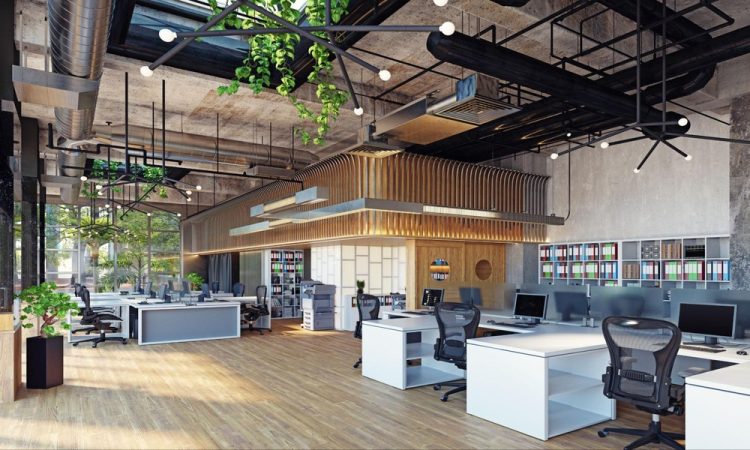
First impressions don’t wait. The moment someone steps into a shop, office, or showroom in Johor Bahru, they’ve already started forming opinions-often within seconds.
“Does this place feel reliable?”
“Are they serious about what they do?”
“Can I trust them?”
What’s interesting is that these judgments are rarely based on conversations or credentials. They come from the space itself.
Here’s how commercial interior design in Johor Bahru quietly shapes how “professional” a business feels right from the first visit.
1. The entrance sets the tone immediately.
Before anything else, people notice how they enter the space.
A professional-feeling business usually has:
- A clear, welcoming entrance
- No visual clutter at the doorway
- A natural sense of direction once you step inside
If the entrance feels confusing or cramped, visitors start off slightly uncomfortable.
And once that first impression is off, it’s hard to fully recover from it.
2. Layout clarity reduces uncertainty.
One of the strongest signals of professionalism is how easy a space is to understand.
When customers walk in, they should instantly know:
- Where to go
- Where to wait
- Where to ask for help
In well-designed commercial spaces across Johor Bahru, this clarity removes hesitation.
People feel guided instead of lost, and that creates confidence in the business.
3. Clean, organised spaces suggest strong internal systems.
People naturally associate physical order with operational competence.
A tidy space signals:
- Attention to detail
- Discipline
- Consistency
Even small details matter:
- Neatly arranged products
- Clean countertops
- Hidden storage instead of visible clutter
On the flip side, a messy environment subtly raises doubts-even if the service itself is good.
4. Lighting influences trust more than you think.
Lighting isn’t just about visibility. It shapes perception.
A well-lit space feels:
- Open
- Transparent
- Welcoming
Poor lighting can make a space feel:
- Dull
- Uninviting
- Slightly untrustworthy
Layered lighting works best:
- Bright enough for clarity
- Soft enough for comfort
- Focused enough to highlight key areas
In many businesses in Johor Bahru, lighting alone can shift how “established” a brand feels.
5. Consistency builds credibility.
Professional spaces feel consistent.
That means:
- Colours align with the brand
- Materials don’t clash
- Furniture follows a clear style direction
When everything looks cohesive, the business feels intentional.
When elements feel random or mismatched, the space can come across as temporary or unpolished.
Consistency quietly tells visitors: “This business knows what it’s doing.”
6. Space planning reflects how the business operates.
Customers don’t just look-they observe how things work.
A well-designed space shows:
- Smooth movement
- Clear separation between functions
- Efficient workflow
For example:
- Waiting areas don’t block service counters
- Staff can move easily without disruption
- Customers don’t feel like they’re in the way
This operational smoothness makes the business feel more professional, even if visitors don’t consciously analyse it.
7. Comfort builds trust over time.
Professionalism isn’t only visual-it’s experiential.
If a space feels:
- Too cramped
- Too noisy
- Too warm or poorly ventilated
…it creates discomfort.
And discomfort makes people less likely to stay, engage, or trust.
Comfortable spaces, on the other hand, encourage visitors to relax, ask questions, and spend more time interacting with the business.
8. Visual hierarchy guides behaviour.
In a well-designed commercial interior, attention is directed-not scattered.
Visitors can quickly identify:
- Where to focus
- What’s important
- What to do next
This is achieved through:
- Strategic lighting
- Clear focal points
- Logical placement of products or services
When everything competes for attention, the space feels chaotic. When attention is guided, it feels controlled and professional.
9. Small details create a lasting impression.
Often, it’s not the big features that define professionalism-it’s the small ones.
Things like:
- Straight alignments
- Clean edges and finishes
- Consistent handles and fixtures
- Thoughtful placement of décor
These details may go unnoticed individually, but together they create a sense of polish.
In many commercial interiors across Johor Bahru, this is what separates an “okay” space from one that feels truly credible.
Final Thoughts
Professionalism isn’t just communicated through branding or service.
It’s felt the moment someone steps into your space.
Commercial interior design shapes:
When done right, visitors don’t just see a business.
And in a competitive environment like Johor Bahru, that feeling can make all the difference.